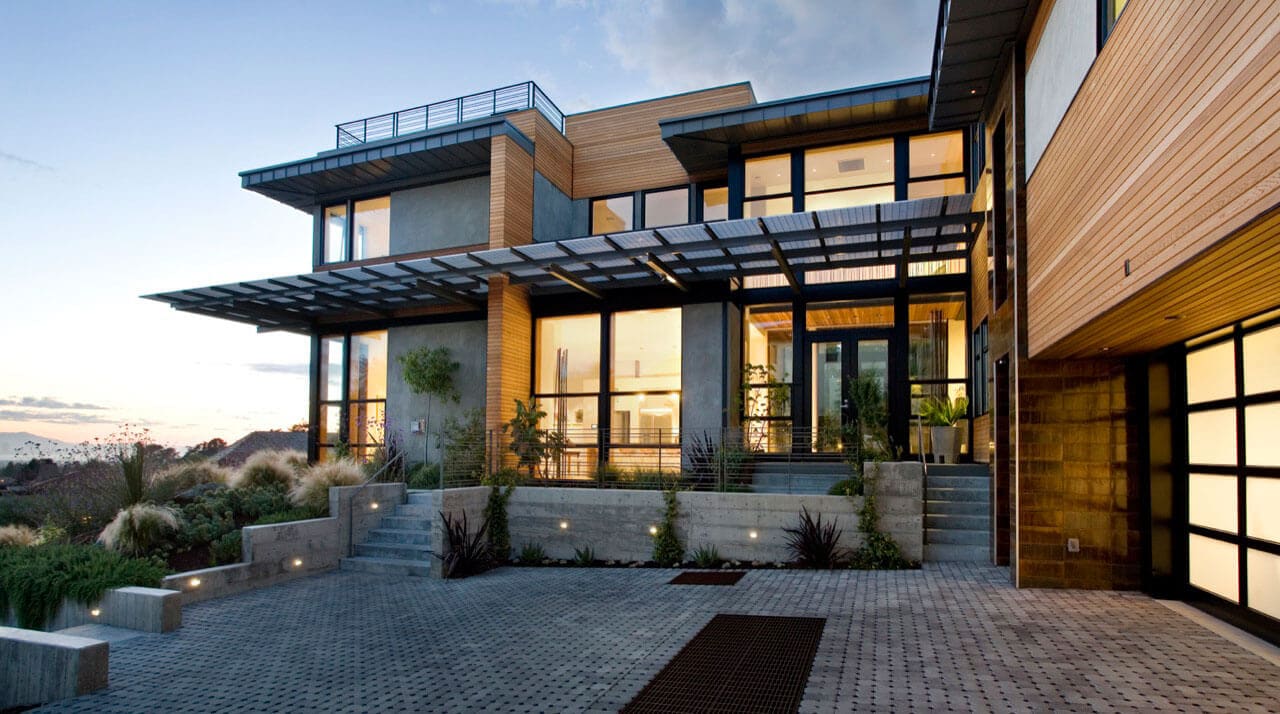
10 Simple Steps to Make Your Home More Eco-Friendly
Making your home more eco-friendly is an important step towards sustainability, and it doesn’t have to be complicated. Here are 10 simple steps you can take to reduce your environmental impact:
- Reduce, Reuse, Recycle: Start by minimizing waste in your home. Separate recyclables and compost kitchen scraps. For more information, check out EPA's recycling guide.
- Conserve Water: Fix leaks, install low-flow fixtures, and consider rainwater harvesting. Learn more about water conservation at EPA Watersense.
- Switch to LED Bulbs: Replace incandescent bulbs with energy-efficient LED lights. They last longer and use less energy.
- Use Eco-Friendly Cleaning Products: Choose non-toxic cleaning supplies that are biodegradable. Consider making your own cleaners using vinegar and baking soda.
- Opt for Smart Thermostats: Invest in a smart thermostat to help manage your heating and cooling efficiently.
- Choose Sustainable Materials: When furnishing your home, look for products made from sustainable materials, such as bamboo or reclaimed wood.
- Improve Insulation: Proper insulation keeps your home comfortable and reduces energy consumption. Check out tips at Energy.gov.
- Go Solar: Consider installing solar panels to generate renewable energy for your home. Explore options and incentives through Energy.gov Savings.
- Embrace Indoor Plants: Houseplants not only improve air quality but also add beauty to your home. Learn about air-purifying plants here.
- Educate Yourself and Others: Stay informed about eco-friendly practices and share your knowledge with friends and family to encourage a greener lifestyle.
The Benefits of Going Green: How Sustainable Living Can Save You Money
Adopting a sustainable living lifestyle not only benefits the environment but can also lead to significant financial savings over time. One of the most effective ways to start is by reducing energy consumption in your home. Simple changes such as switching to energy-efficient appliances, utilizing LED lighting, and implementing smart home technologies can lower your utility bills. According to the U.S. Department of Energy, these upgrades can save households hundreds of dollars each year. Additionally, by minimizing wastage, such as water and electricity, you can see even greater savings, making your wallet feel as good as the planet!
Furthermore, embracing green practices in daily life can extend to food and transportation choices, greatly reducing costs. Buying local, seasonal produce often costs less than purchasing imported goods and is fresher too. By initiating a garden, you can grow your own vegetables, which is another excellent way to cut grocery bills. Additionally, opting for public transportation or biking instead of driving can greatly reduce fuel expenses. According to a report from the AARP, cutting down on driving can save you thousands annually in gas and maintenance. By making conscious and sustainable choices, you can enjoy financial benefits while contributing positively to the environment.
Is Your Home Energy Efficient? Signs You Need to Upgrade
In today's world, energy efficiency is not just a buzzword; it's a necessity. Is your home energy efficient? One of the first signs to look for is your energy bills. If you notice a significant increase in your monthly expenses without a change in usage, it may indicate that your home is not as energy efficient as it could be. Furthermore, if your home has older appliances or heating and cooling systems, they may be consuming more energy than newer, ENERGY STAR-rated models. To assess your overall efficiency, consider undergoing a home energy audit to identify potential upgrades that could save you money in the long run.
Another critical indicator of your home's energy efficiency lies in its insulation and air leaks. If you feel drafts coming from windows, doors, or even electrical outlets, it's a clear sign that your home needs attention. Proper insulation not only keeps your home comfortable year-round but also reduces the workload on your heating and cooling systems. According to the U.S. Department of Energy, sealing leaks and adding insulation can significantly increase your home's overall energy efficiency. If you've taken these signs into account and still feel chilly in winter or overheated in summer, it may be time to consider upgrading to more modern solutions.