10 Simple Energy-Efficient Changes to Make in Your Home Today
Making energy-efficient changes in your home can significantly reduce your energy bills and your carbon footprint. Here are 10 simple energy-efficient changes you can implement today:
- Upgrade to LED lighting throughout your home to consume up to 80% less energy than traditional bulbs.
- Seal any drafts around windows and doors with weatherstripping to maintain your home's temperature.
- Use a programmable thermostat to optimize your heating and cooling schedules.
- Switch to energy-efficient appliances that have the ENERGY STAR® label.
- Unplug devices when not in use, or use smart power strips to reduce phantom loads.
Continuing your energy-efficient journey, consider these additional changes:
- Embrace natural light by opening curtains during the day, reducing the need for artificial lighting.
- Install low-flow showerheads and faucets to reduce water and energy consumption.
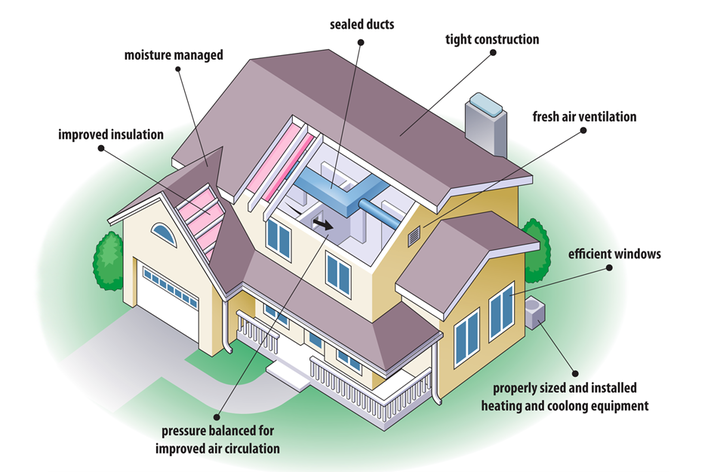
- Insulate your attic and walls adequately to prevent heat loss.
- Consider installing solar panels to harness renewable energy for your home.
- Plant trees or install shading devices to help cool your home naturally.
How to Slash Your Energy Bills: Top Hacks and Tips
Reducing energy bills is a priority for many homeowners, especially as utility costs continue to rise. One of the most effective hacks to slash your energy bills is to upgrade your home’s insulation. Proper insulation keeps your home warm in the winter and cool in the summer, effectively reducing the burden on your heating and cooling systems. Additionally, consider conducting an energy audit to identify areas where your home may be losing energy. You can easily perform a DIY audit by checking for drafts around doors and windows and evaluating your appliance performance.
Another key tip is to be mindful of your energy consumption habits. Here are some top tips to implement:
- Use energy-efficient appliances: Look for ENERGY STAR certified products that consume less energy.
- Adjust your thermostat: Set your thermostat a few degrees lower in winter and higher in summer.
- Unplug electronics: Many devices draw power even when turned off, known as phantom energy. Unplug devices not in use or use a power strip.
- Maximize natural light: Utilize daylight as much as possible to reduce reliance on artificial lighting.
By integrating these strategies into your daily routine, you can effectively slash your energy bills and make your home more energy-efficient.
Is Your Home Energy-Efficient? 5 Easy Questions to Find Out
Determining whether your home is energy-efficient can significantly impact your utility bills and overall comfort. To assess your home's efficiency, start by asking yourself five key questions. Each one will shed light on specific areas where improvements can be made. Consider the age of your appliances, the quality of your insulation, and how well your windows and doors seal. By analyzing these aspects, you can identify potential upgrades that might save you money and reduce your environmental footprint.
- Are your windows and doors properly sealed? Check for drafts and gaps that may let heat escape in the winter and cool air during the summer.
- How old are your appliances? Older models often consume more energy; upgrading to energy-efficient versions can result in substantial savings.
- Is your home adequately insulated? Proper insulation plays a crucial role in maintaining a consistent indoor temperature, which can greatly affect energy consumption.
- Do you use energy-saving light bulbs? Switching to LED bulbs can reduce your energy use significantly.
- Have you conducted an energy audit? A professional energy audit can reveal hidden inefficiencies and guide necessary improvements.