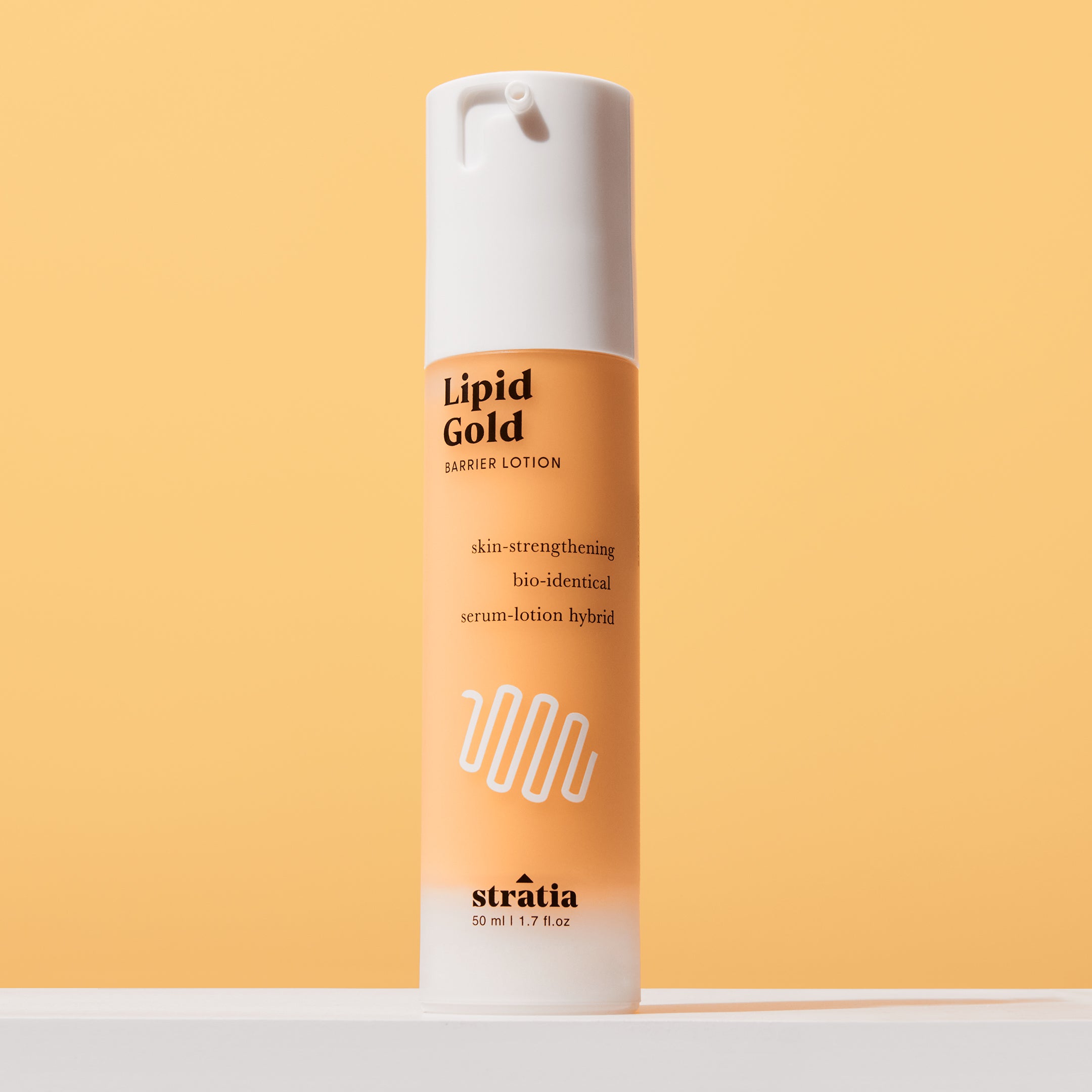
Understanding Your Skin's Moisture Needs: The Science Behind Hydration
Understanding your skin's moisture needs is crucial for maintaining optimal skin health. Every individual has a unique skin type, which influences its ability to retain hydration. Dry skin, for instance, lacks essential oils and can easily become flaky and irritated, while oily skin may produce excess sebum but still require hydration. To comprehend these differences, it’s important to consider factors such as age, environment, and overall skin health. For in-depth information on skin types, you can refer to this resource from the American Academy of Dermatology.
The science behind hydration involves understanding the skin's moisture barrier, which is essential for preventing water loss and protecting against external irritants. This barrier is primarily composed of lipids and proteins that must be nourished to function effectively. A well-hydrated skin barrier not only enhances skin elasticity but also creates a healthy complexion. To maintain this barrier, using moisturizers that contain ingredients like hyaluronic acid, glycerin, and ceramides is key. For a comprehensive guide on hydration ingredients, visit Verywell Health.
Top 5 Signs Your Skin is Dehydrated and How to Fix It
Recognizing the signs of dehydrated skin is essential for maintaining a healthy complexion. Here are the Top 5 Signs that your skin may be suffering from dehydration:
- Dry, flaky patches: When your skin feels rough or shows visible flakes, it indicates a lack of moisture.
- Increased sensitivity: Dehydrated skin can become more sensitive to products and environmental factors.
- Itching or tightness: A common sign is the feeling of tightness after cleansing, a clear signal that hydration is needed.
- Fine lines and wrinkles: Lack of moisture can make these lines appear more pronounced.
- Dull complexion: A lack of hydration can lead to a tired-looking skin surface, lacking that healthy glow.
For more details on the signs of dehydrated skin, you can check out this excellent article on Healthline.
Now that you know the signs, addressing dehydrated skin is crucial. Here are some effective remedies to restore your skin's moisture levels:
- Drink plenty of water: Hydrated skin starts from within, so aiming for at least eight glasses of water a day can do wonders.
- Use a hydrating serum: Incorporating serums with hyaluronic acid can help attract moisture to your skin.
- Opt for thicker creams: Switch to richer moisturizers that lock in hydration, especially for nighttime use.
- Avoid hot showers: Hot water can strip your skin of essential oils, so consider lukewarm water instead.
- Invest in a humidifier: Adding moisture to the air can alleviate dryness, especially during winter months.
For more practical tips on combating dehydrated skin, visit Verywell Health.
Moisture Madness: Are You Using the Right Products for Hydrated Skin?
Keeping your skin adequately hydrated is crucial for maintaining its health and vitality, but with so many products available on the market, how can you be sure you're using the right ones? The first step is to identify your skin type. Different skin types require different levels of moisture and specific ingredients to lock in hydration. Moisture Madness can often stem from using the wrong products, leading to either dryness or excess oiliness. For instance, those with dry skin should look for creams rich in emollients and occlusives, while lighter, gel-based moisturizers may be better suited for oily skin types.
Moreover, other factors such as climate, diet, and skincare routines can impact your skin's moisture levels. Incorporating products with hyaluronic acid, glycerin, or ceramides can significantly enhance your skin's hydration. As the seasons change, you may need to adjust your skincare arsenal accordingly. For a deeper understanding of your skin's hydration needs, visit this study for insights. Embrace the journey towards optimal skin health by ensuring you're equipped with the right knowledge and products to combat moisture madness!