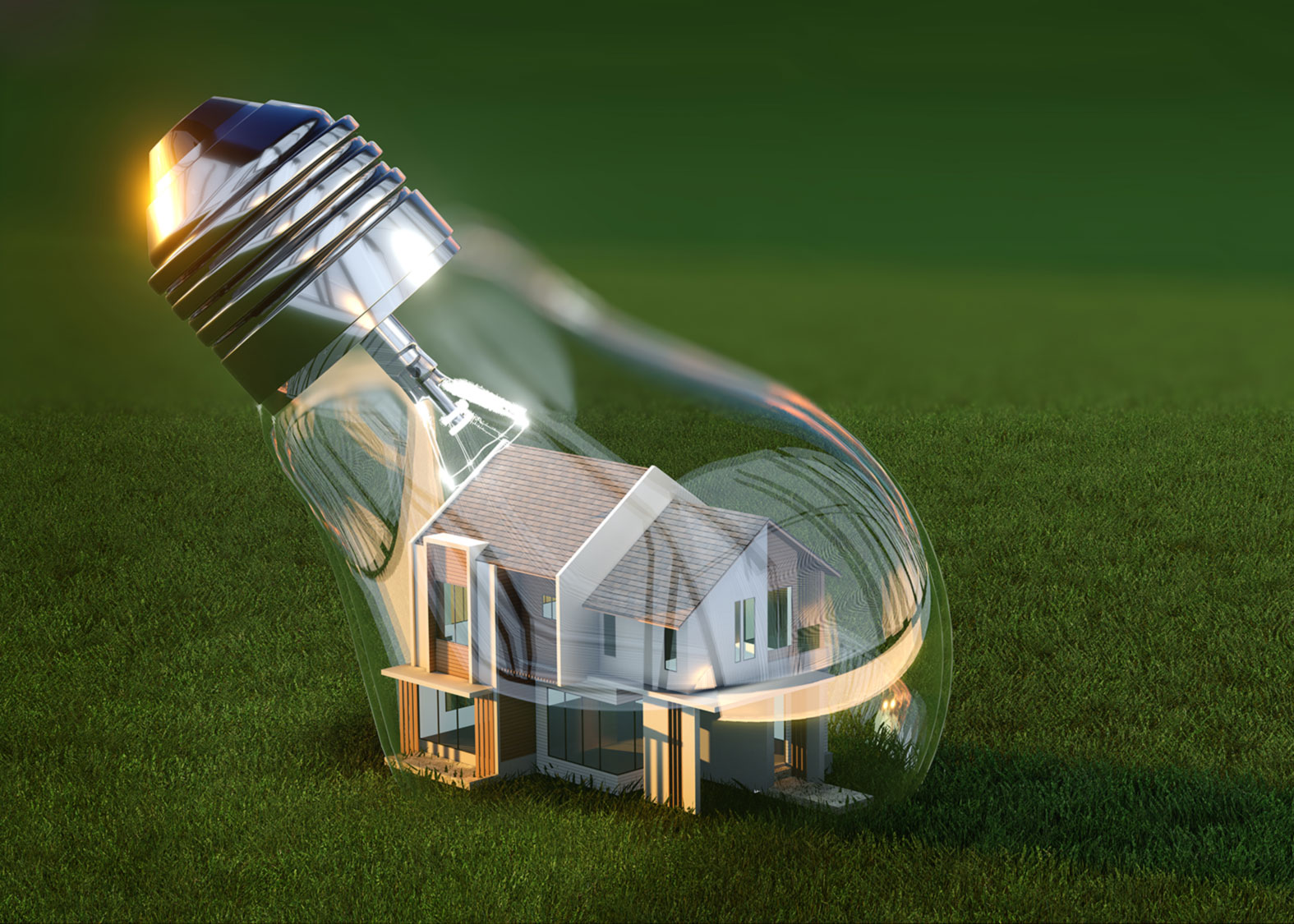
Understanding Your Carbon Footprint: How Energy Consumption Affects the Planet
Understanding your carbon footprint is essential in evaluating how your daily choices impact the environment. A carbon footprint is defined as the total amount of greenhouse gases, mainly carbon dioxide, that are directly or indirectly emitted by an individual, organization, event, or product. One major contributor to this footprint is energy consumption, which encompasses the electricity used in our homes, the fuel burned for transportation, and even the resources consumed in our work. By becoming more aware of our energy habits, we can take significant steps to reduce our overall environmental impact.
To grasp the relationship between energy consumption and your carbon footprint, consider the following factors:
- Type of energy source: Fossil fuels release higher levels of CO2 compared to renewable energy sources such as solar or wind.
- Energy efficiency: Using energy-efficient appliances and vehicles can dramatically decrease your overall energy use and, therefore, your carbon emissions.
- Behavioral changes: Simple actions, like turning off lights when leaving a room or using public transportation, can help mitigate your carbon footprint.
Top 10 Everyday Habits to Reduce Energy Waste at Home
Reducing energy waste at home is not only beneficial for the environment, but it can also lead to significant savings on your utility bills. Here are 10 everyday habits that can help you minimize energy consumption:
- Unplug Devices: Many gadgets and appliances continue to draw power even when they are turned off. Make it a habit to unplug devices when they are not in use.
- Use Energy-Efficient Light Bulbs: Replace incandescent bulbs with LED or CFL bulbs, which use far less electricity and last longer.
- Optimize Heating and Cooling: Set your thermostat a few degrees lower in winter and higher in summer to save energy, and remember to seal windows and doors to prevent drafts.
- Limit Hot Water Usage: Shorten your showers and wash clothes in cold water whenever possible to conserve energy.
- Install Smart Power Strips: These can help reduce energy waste by cutting off power to devices that go into standby mode.
Why Switching to LED Bulbs is a Game Changer for the Environment
Switching to LED bulbs is a significant step towards improving environmental sustainability. Unlike traditional incandescent bulbs, LED bulbs use up to 75% less energy, which drastically reduces carbon emissions produced by power plants. This energy efficiency translates to lower electricity bills for consumers and less strain on our energy resources. Furthermore, LED bulbs have a remarkably longer lifespan, lasting up to 25,000 hours compared to the mere 1,000 hours of incandescent bulbs. This longevity results in less frequent replacements, leading to reduced waste and a smaller ecological footprint.
Additionally, the environmental benefits extend beyond energy savings. LED lighting contains no hazardous materials such as mercury, making them safer for both users and the planet. When disposed of, LED bulbs contribute less to landfill waste, aligning with eco-friendly practices. As more households and businesses make the switch, the cumulative effect can lead to a substantial decrease in energy consumption and waste production, ultimately fostering a more sustainable future. In summary, switching to LED bulbs is not just a wise financial choice; it's a crucial decision for the health of our environment.