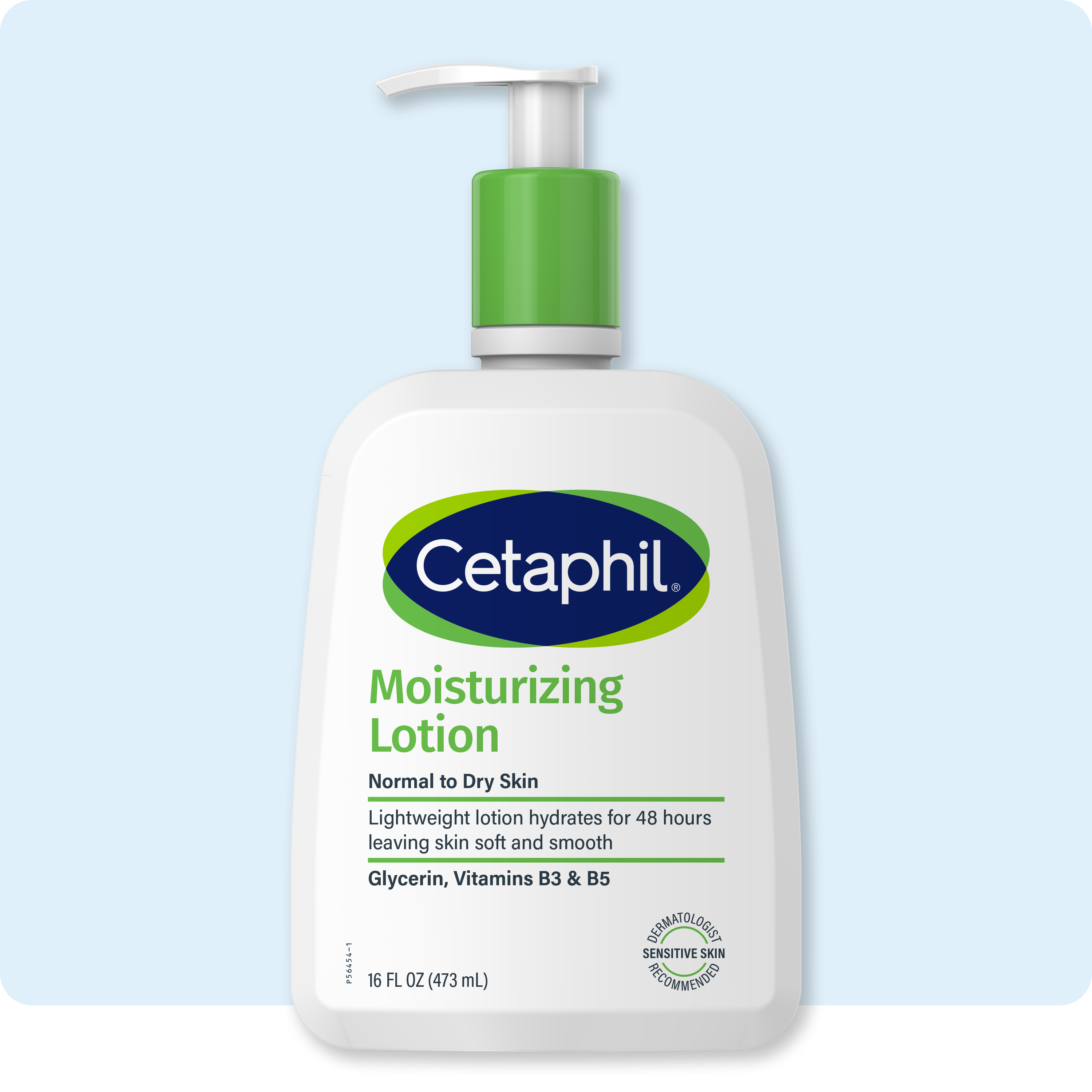
The Science Behind Hydration: How Moisturizers Work Wonders
Understanding the science behind hydration is crucial for maintaining healthy skin. Our skin consists of multiple layers, and the outermost layer, the stratum corneum, acts as a barrier to protect against moisture loss. When this barrier is compromised, environmental factors can lead to dryness and irritation. Moisturizers play a vital role in re-establishing this barrier by providing both occlusive and humectant properties. Occlusive agents, such as petrolatum and silicones, form a protective layer that seals in moisture, while humectants like glycerin and hyaluronic acid attract water from the environment into the skin, effectively enhancing its hydration levels.
Moreover, the effectiveness of a moisturizer isn't solely dependent on its ingredients but also on how it is applied. For optimal results, it is recommended to apply moisturizers immediately after cleansing the skin when it's still slightly damp. This technique helps lock in the moisture and prevents evaporation. Additionally, incorporating hydration into your skincare routine can yield a multitude of benefits, including improved skin texture, reduced fine lines, and an overall radiant complexion. By understanding the science behind hydration, consumers can make informed decisions about their skincare products and practices.
Top 5 Moisturizer Ingredients for Every Skin Type
When it comes to choosing the right moisturizer, understanding your skin type is crucial. Among the myriad of ingredients available, some stand out as beneficial across various skin types. Here are the Top 5 Moisturizer Ingredients to look for:
- Hyaluronic Acid - A powerhouse ingredient, it provides deep hydration by attracting water to the skin, making it ideal for all skin types, especially dry or dehydrated skin.
- Glycerin - This humectant draws moisture from the air into the skin, helping to maintain a soft and supple texture, making it perfect for oily and combination skin.
- Ceramides - Essential for repairing the skin's barrier, they are particularly beneficial for sensitive or dry skin, locking in moisture and preventing trans-epidermal water loss.
Continuing with our list, the next two ingredients also play significant roles in skincare:
- Shea Butter - Rich in fatty acids, it provides intense moisture and is suitable for dry skin while also being gentle enough for sensitive skin.
- Niacinamide - This multitasking ingredient helps improve skin elasticity and even out skin tone, making it suitable for oily, dry, and combination skin types.
Choosing moisturizers with these key ingredients can help you achieve healthier, more radiant skin regardless of your skin type.
Are You Using the Right Moisturizer? Common Mistakes to Avoid
Choosing the right moisturizer can make a significant difference in your skincare routine, yet many people still make common mistakes that hinder their results. One of the biggest blunders is selecting a product based solely on marketing claims rather than individual skin type. For instance, oily skin types often overlook lightweight, oil-free moisturizers, gravitating instead towards heavier creams that can exacerbate their condition. Understanding your skin’s unique needs is crucial. Always consider factors like your skin type, concerns, and climate when picking a moisturizer.
Another frequent mistake is neglecting to adjust your moisturizer with changing seasons. As humidity levels fluctuate throughout the year, so should your skincare products. In winter, the harsh, dry air can lead to increased moisture loss, necessitating a richer moisturizer to combat dryness. Conversely, summer may call for lighter formulations. To avoid using the wrong moisturizer, pay attention to how your skin changes with weather and give it the nourishment it needs at any given time. Remember, being attentive to your skin’s signals can help you achieve optimal hydration and maintain a healthy glow.